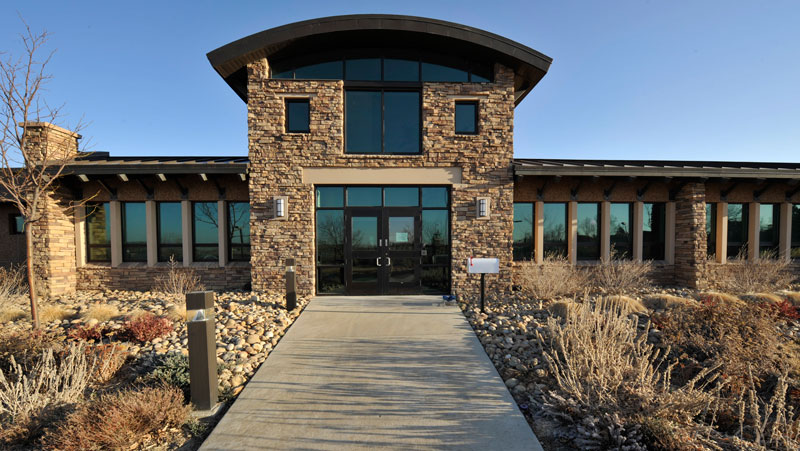
Aurora Water’s 80 MGD Wemlinger Water Purification Facility was operating on aging Allen-Bradley SLC controls that needed to be modernized to reduce downtime risk, improve communications, and give the City greater flexibility for future expansion. The project called for the existing SLC control system to be replaced and consolidated onto an Allen-Bradley ControlLogix platform.
Beyond replacing the legacy PLC platform, the new system needed to incorporate the City of Aurora’s established programming standards across a large control architecture comprising approximately 2,000 hardwired I/O points and 30,000 soft I/O points.
Just as importantly, Wemlinger remained an operating water treatment facility throughout the project. The migration therefore required careful coordination with plant operations to transition individual processes while avoiding unplanned outages. Carollo Engineering served as the project designer, with TSI responsible for implementing the controls scope.
Working alongside the City of Aurora and project designer Carollo Engineering, TSI supported the conversion and consolidation of the existing controls onto a new ControlLogix architecture. TSI’s scope extended from control panel fabrication and PLC programming through network design, configuration, and commissioning.
A key component of the project was implementing the City’s programming standards across the new controls, creating consistency throughout a system comprising 11 ControlLogix PLCs and tens of thousands of I/O points.
Our solution included:
The completed modernization gave Aurora Water a more reliable, modern controls platform designed to improve communications, reduce downtime risk, and support future expansion at the Wemlinger facility. By migrating the system process by process and coordinating closely with plant operations, TSI completed the controls transition with minimal planned downtime and no unplanned outages. The new ControlLogix architecture also brought the facility in line with the City’s established programming standards, creating a more consistent foundation for ongoing operations and future system growth.